Frequently Asked Questions
When are generators used?
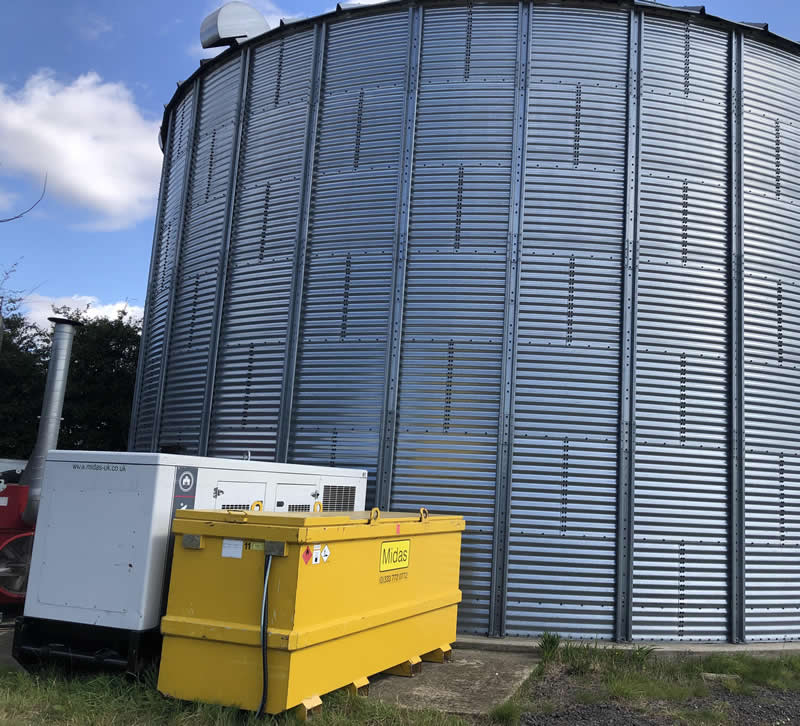
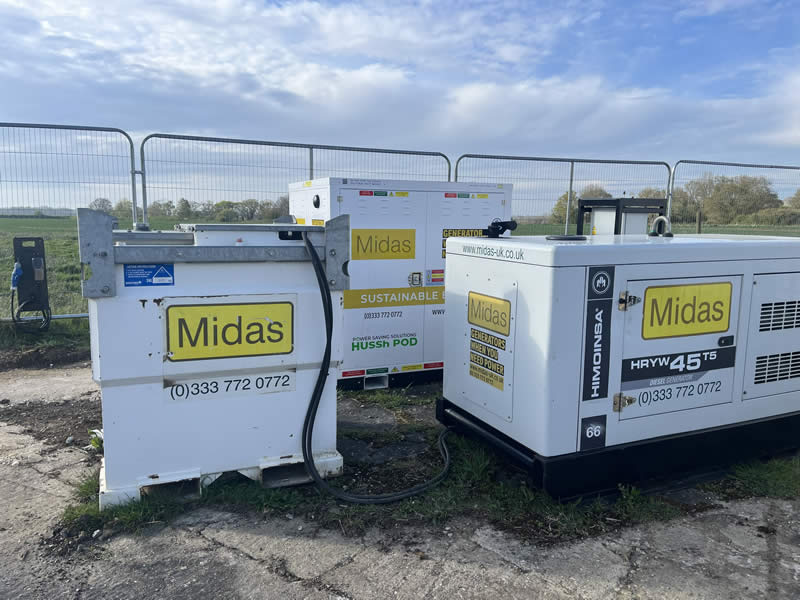
Generators are used during temporary power outages, for backup power in emergencies, and to provide reliable energy for agricultural operations, ensuring that essential tasks can continue without interruption.
Where are generators installed?
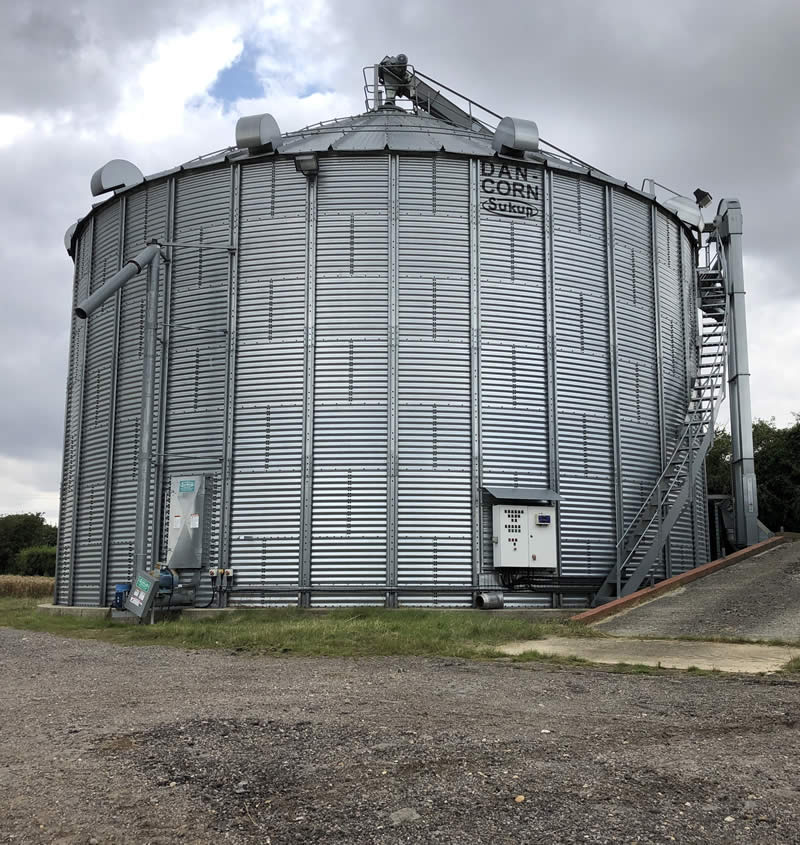
Generators are installed in various locations, including farms, agricultural sites, and temporary setups where reliable power is essential for operations. Their portability allows for easy relocation as needed.
Why get a generator?
The reasons to get a generator include ensuring reliable power during critical agricultural operations, minimizing downtime, and providing backup solutions for emergencies. This is essential for maintaining productivity and protecting valuable equipment and crops.
What types of generators are available?
The types of generators available include portable diesel generators, standby generators, and emergency backup generators, specifically designed to meet the diverse power needs of the agricultural sector.
How do generators support agricultural activities?
Generators support agricultural activities by providing reliable power for essential equipment, ensuring uninterrupted operations during peak seasons, and enabling farmers to maintain productivity during emergencies or power outages.
What are the benefits of generator hire?
The benefits of generator hire include cost-effectiveness, flexibility, and immediate access to reliable power solutions. This is especially crucial for agricultural operations, ensuring uninterrupted productivity during peak seasons or emergencies.
When should I consider generator rental?
Considering generator rental is essential during power outages, peak agricultural seasons, or when you require temporary backup power for equipment. This ensures uninterrupted operations and protects your productivity.
How long can generators run continuously?
Generators can run continuously for varying durations, typically ranging from 8 to 24 hours, depending on the fuel capacity and load. Regular maintenance and refueling are essential to ensure optimal performance during extended use.
What maintenance do generators require?
Generators require regular maintenance to ensure optimal performance and longevity. This includes routine checks of oil and fuel levels, air filter replacement, battery maintenance, and regular load testing to confirm reliability during agricultural operations.
What size generator do I need?
Determining the size of the generator you need depends on the total wattage of the equipment you plan to power. Calculate the wattage requirements of your tools and machinery to select a generator that meets those demands effectively.
How do I choose a generator?
Choosing a generator involves assessing your power needs, considering the generator's output capacity, fuel type, portability, and runtime. For agricultural use, prioritize reliability and support to ensure uninterrupted operations.
What fuel types do generators use?
Generators typically use diesel or petrol as their fuel types. Diesel generators are favored for agricultural applications due to their efficiency, durability, and availability, making them ideal for reliable power in farming operations.
Can generators be used for events?
Generators can indeed be used for events, providing reliable power for lighting, sound systems, and other essential equipment. They ensure your event runs smoothly, even in remote locations or during power outages.
What are the safety measures for generators?
The safety measures for generators include proper ventilation to prevent carbon monoxide buildup, regular maintenance checks, using ground fault circuit interrupters (GFCIs), and ensuring that the generator is placed on a stable surface away from flammable materials.
How do I transport a generator?
Transporting a generator requires careful handling to ensure safety and efficiency. Secure the generator on a flat surface, use appropriate lifting equipment if needed, and ensure it is properly fueled and maintained before transport.
What is the cost of generator hire?
The cost of generator hire varies based on generator size, type, and rental duration. For accurate pricing tailored to your agricultural needs, please contact Midas Productions UK Ltd for a personalized quote.
How do generators affect crop production?
Generators play a crucial role in enhancing crop production by providing reliable power for essential agricultural operations. They ensure uninterrupted irrigation, efficient machinery operation, and timely processing, ultimately leading to improved yields and farm productivity.
What features should I look for in a generator?
The features to look for in a generator include power output, fuel efficiency, portability, noise level, and reliability. Additionally, consider maintenance support and the availability of 24/7 assistance to ensure seamless agricultural operations.
How do I troubleshoot generator issues?
Troubleshooting generator issues involves checking fuel levels, inspecting the battery connections, and ensuring that all circuit breakers are reset. If problems persist, consult the user manual or contact Midas Productions for expert assistance.
What is the lifespan of a generator?
The lifespan of a generator typically ranges from 10,000 to 30,000 hours of operation, depending on maintenance, usage, and type. Regular servicing and proper care can significantly extend its longevity, ensuring reliable performance for agricultural needs.
Can generators be used in remote areas?
Generators can indeed be used in remote areas. They provide a reliable power source for agricultural operations, ensuring that essential equipment remains operational even in locations without access to the electrical grid.
What are the environmental impacts of generators?
The environmental impacts of generators include air pollution from emissions, noise pollution affecting local wildlife, and potential soil and water contamination from fuel spills. It's essential to consider these factors when selecting a generator for agricultural use.
How do I connect a generator to my equipment?
Connecting a generator to your equipment involves using appropriate power cables and plugs. Ensure the generator's output matches your equipment's requirements, then securely connect the cables to both the generator and the equipment, following safety guidelines.
What are common generator brands?
Common generator brands include Honda, Generac, Cummins, and Kohler, known for their reliability and performance in various applications, including agricultural operations. These brands offer a range of models suitable for different power needs.
How do I store a generator safely?
Storing a generator safely involves keeping it in a dry, well-ventilated area away from flammable materials. Ensure the fuel tank is empty or stabilized, and cover the generator to protect it from dust and moisture.
What are the power output ratings of generators?
The power output ratings of generators indicate their capacity to provide electricity, typically measured in kilowatts (kW) or megawatts (MW). Midas Productions UK Ltd offers a range of generators with varying power outputs to meet diverse agricultural needs.
How do I ensure generator reliability?
Ensuring generator reliability involves regular maintenance, including routine inspections and servicing, using high-quality fuel, and monitoring performance. Additionally, choosing the right generator size for your agricultural needs is crucial for optimal operation.
What are the advantages of portable generators?
The advantages of portable generators include their versatility, ease of transport, and ability to provide reliable power wherever needed, making them ideal for agricultural operations that require flexibility and immediate backup solutions.
How can generators improve farm efficiency?
Generators can significantly improve farm efficiency by providing reliable power for essential equipment, ensuring uninterrupted operations during peak seasons, and enabling timely irrigation, feeding, and processing tasks, ultimately enhancing productivity and reducing downtime.
What regulations apply to generator use?
The regulations that apply to generator use include compliance with local environmental laws, safety standards, and emissions regulations. Users must ensure proper installation and operation to adhere to these guidelines, particularly in agricultural settings.